
Roadside Support Built for Larger Vehicles
Truck Roadside Assistance in Ellicott City for pickup trucks and light-duty commercial vehicles with tire, battery, and fuel issues
Pickup trucks and light-duty commercial vehicles encounter the same roadside problems as passenger cars, but the solutions require different tools, heavier equipment, and technicians experienced with larger tires, dual battery systems, and higher ground clearance. A standard sedan jack will not lift a three-quarter-ton pickup, and a compact jump starter may not deliver enough amperage to turn over a diesel engine in cold weather. HELPING HANDS AUTO RESCUE provides truck roadside assistance in Ellicott City with equipment designed for the unique demands of pickup trucks, work vans, and light commercial vehicles that cannot be serviced with passenger car tools.
Tire changes on trucks involve removing wheels that weigh 60 to 100 pounds, depending on tire size and whether the wheel is steel or alloy. The technician uses a high-capacity jack rated for the vehicle's weight and a heavy-duty lug wrench or impact gun to remove lug nuts that are often over-torqued or corroded. Jump-starting a diesel truck may require connecting to two batteries wired in series, and the portable starter must deliver enough cold cranking amps to engage the starter motor under load.
Arrange an on-site assessment to confirm the technician has the correct equipment for your truck's specifications.
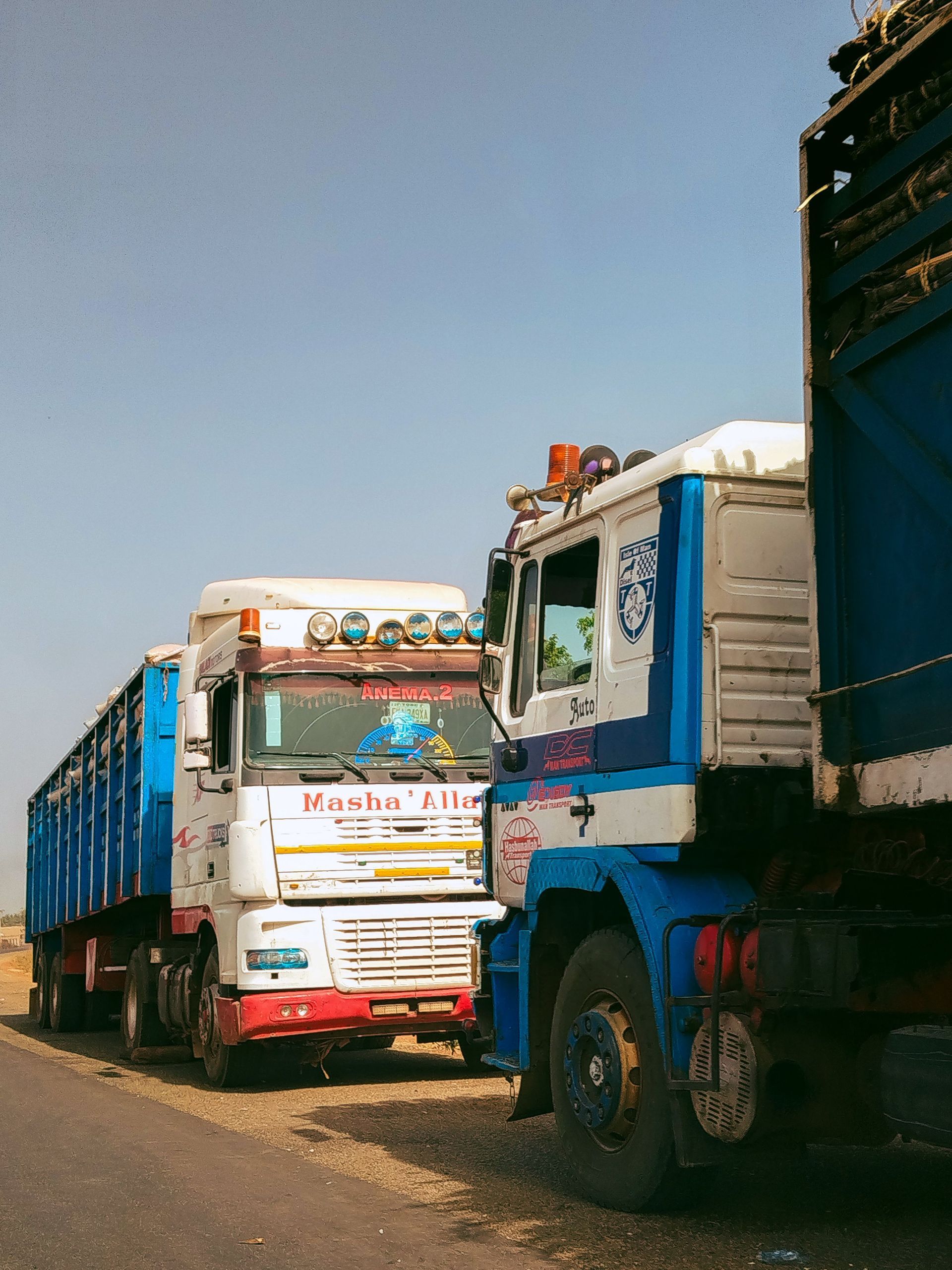
What Proper Truck Roadside Service Requires
Servicing trucks roadside requires jacks rated for at least 7,000 pounds, impact wrenches capable of loosening lug nuts torqued to 150 foot-pounds or more, and jump starters with output ratings of 1,000 cold cranking amps or higher for diesel engines. The technician also carries wheel chocks to prevent the vehicle from rolling on uneven surfaces, since many breakdowns occur on sloped shoulders or unpaved areas. Fuel delivery for trucks involves transporting enough diesel or gasoline to account for larger tank capacities and lower fuel economy, typically two to five gallons depending on the vehicle's size and the distance to the nearest station.
Once the service is complete, your truck starts without hesitation, the replacement tire supports the vehicle's load without wobbling or losing pressure, and you can drive to your destination or a repair facility. HELPING HANDS AUTO RESCUE technicians confirm that lug nuts are tightened to the manufacturer's specifications using a torque wrench, battery terminals are clean and secure, and fuel reaches the engine without air pockets in the line.
The service is designed for pickup trucks up to one-ton capacity and light-duty commercial vehicles such as cargo vans and box trucks under 14,000 pounds gross vehicle weight. It does not cover medium-duty trucks requiring air brake systems, commercial towing, or specialized equipment beyond standard roadside tools. If the problem involves a failed starter, transmission issue, or engine damage, the vehicle must be towed to a shop equipped for heavy-duty repairs.
Answers to Frequent Service Questions
Truck owners often want clarity on what equipment the technician brings and how service differs from standard passenger car assistance.
What if my truck has oversized tires or aftermarket wheels that don't fit standard tools?
The technician carries adjustable impact sockets and extensions to accommodate most aftermarket wheel configurations, but extremely oversized tires or custom lug nut designs may require specialized tools. Confirm your wheel specifications when requesting service.
How does jump-starting a diesel truck differ from a gasoline engine?
Diesel engines require higher cranking power because of greater compression ratios, and many trucks use two 12-volt batteries wired in series to produce 24 volts. The technician connects the jump starter to both batteries in the correct sequence to avoid damaging the electrical system.
Can roadside assistance help if my truck is loaded with equipment or cargo?
Yes, the service works regardless of cargo load, but the added weight affects how the vehicle is jacked and whether the spare tire can support the load. If the truck is heavily loaded and the spare is a temporary "donut" tire, driving may be unsafe, and towing is recommended.
What happens if my truck runs out of diesel and the fuel system needs priming?
The technician delivers fuel and may assist with manually priming the fuel system by operating the hand pump on the fuel filter housing, but bleeding air from the injector lines requires shop tools. If the engine will not start after fuel delivery and manual priming, towing to a diesel mechanic is necessary.
Does truck roadside assistance operate in rural areas outside Ellicott City?
Service coverage extends beyond city limits, but response times increase with distance from the dispatch location. Confirm your exact location and describe nearby landmarks or road markers when calling so the technician can route efficiently.
HELPING HANDS AUTO RESCUE responds to truck breakdowns across Ellicott City with heavy-duty equipment and technicians trained to handle larger vehicles. Call with your truck's make, model, and current location to confirm service availability and estimated response time.