
Keeping Multiple Vehicles Running Across Your Operations
Fleet Roadside Assistance in Ellicott City for businesses managing delivery trucks, service vans, and company vehicles
Businesses operating vehicle fleets face compounding costs when breakdowns occur—not just the direct expense of roadside service, but the ripple effects of missed deliveries, delayed service calls, schedule adjustments, and driver idle time. A single disabled vehicle can disrupt routing for the entire fleet, forcing other drivers to cover additional stops or causing customers to reschedule. HELPING HANDS AUTO RESCUE provides fleet roadside assistance designed to minimize downtime across your vehicle operations, delivering rapid response for flat tires, dead batteries, lockouts, fuel delivery, and minor repairs that restore vehicles to service without requiring shop visits. Technicians understand that fleet managers need more than individual problem resolution—they need consistent response quality and minimal disruption to coordinated operations where vehicles depend on each other to maintain schedule integrity.
This service addresses the reality that fleets experience higher breakdown frequency than individual vehicles due to cumulative mileage, varied driver habits, and the statistical likelihood that more vehicles means more failures on any given day. Coordinated assistance helps you maintain productivity even when multiple vehicles need help simultaneously.
Arrange a consultation to discuss response protocols customized for your fleet size and operational requirements.
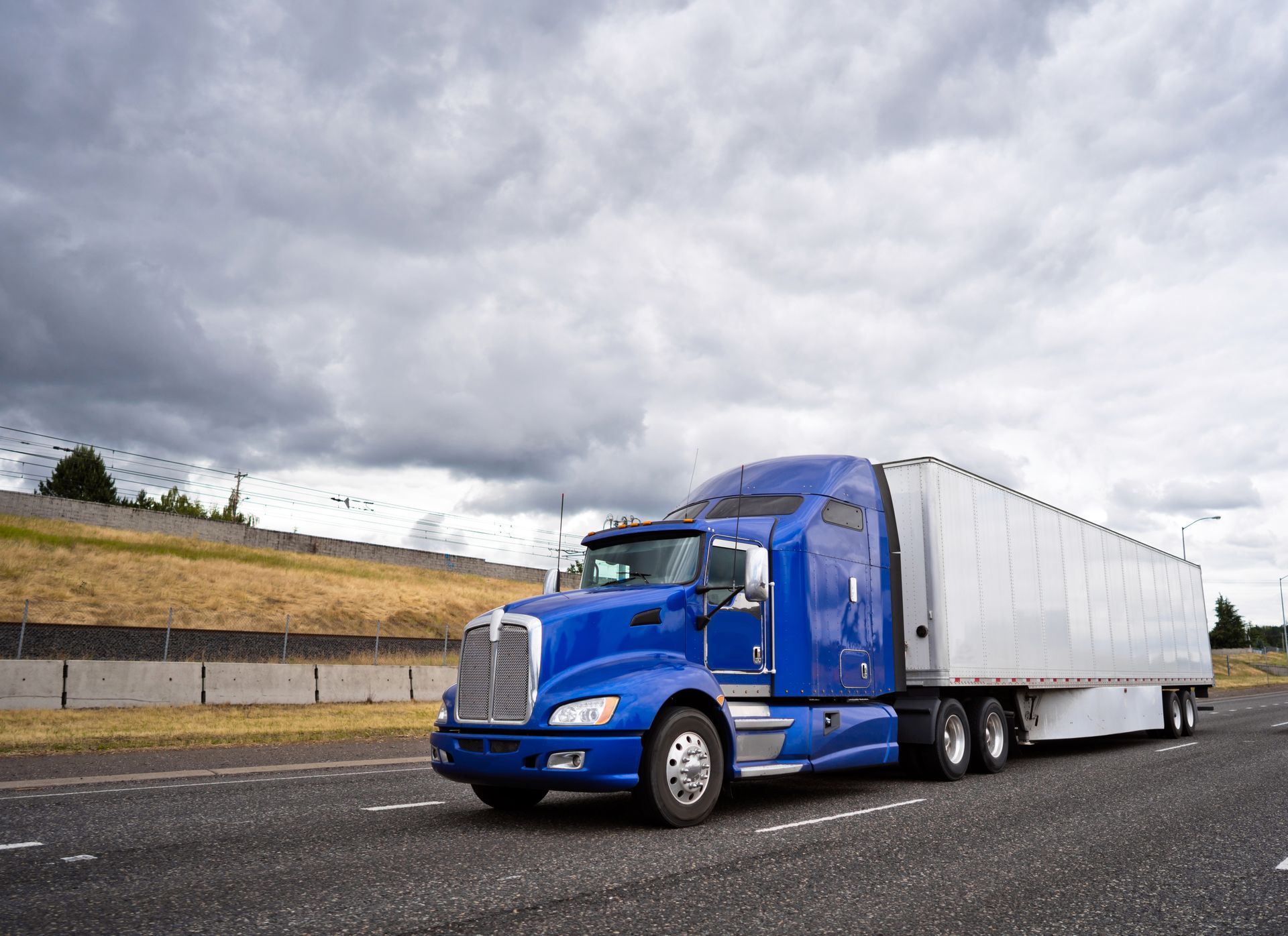
How Fleet Support Reduces Operational Disruption
The service establishes response procedures tailored to your fleet's specific needs, whether that involves prioritizing certain vehicle types, coordinating with dispatchers to reroute drivers, or maintaining records that help you identify recurring problems across multiple units. When a fleet vehicle breaks down, technicians receive information about the vehicle's role in your operation—whether it's mid-route with time-sensitive deliveries, returning to base at day's end, or starting a shift—which allows appropriate prioritization and helps your team adjust schedules with accurate information about expected resolution times.
Once service is complete, your vehicle returns to its route or reaches your facility under its own power, minimizing the gap in coverage and reducing the need to pull other vehicles out of sequence to cover missed stops. Fleet managers receive documentation of each service event, which supports maintenance planning by revealing patterns such as recurring battery failures in specific vehicle models or tire damage concentrated on particular routes.
The assistance includes all standard roadside services plus coordination features useful for multi-vehicle operations: consolidated billing that simplifies accounting, service records that track which vehicles require frequent help, and communication protocols that keep dispatchers informed without requiring drivers to manage multiple phone calls. It does not include scheduled maintenance, fleet management software integration, or on-site mechanical repairs beyond what's possible with portable tools.
Questions Fleet Managers Have About Roadside Support
Managing multiple vehicles creates specific concerns about service consistency, response coordination, and cost control when roadside problems occur.
What happens if two fleet vehicles need help at the same time?
Technicians coordinate response based on vehicle priority, problem severity, and location—if both calls can be handled by available resources, service proceeds simultaneously; otherwise, you receive accurate information about response sequence so dispatchers can adjust operations accordingly.
How does roadside assistance help identify recurring fleet problems?
Service records document each breakdown by vehicle, problem type, and location, which reveals patterns such as battery failures concentrated in older units or tire damage affecting vehicles assigned to construction zones—this data supports targeted maintenance that prevents future breakdowns.
Can drivers call directly or does everything go through fleet management?
You establish the protocol that fits your operation—some fleets prefer drivers to call roadside assistance directly for faster response, while others route all service requests through dispatchers who maintain operational oversight and coordinate schedule adjustments.
Why do fleet vehicles seem to break down more often than personal cars?
Higher annual mileage, multiple drivers with different operating habits, varied cargo loads, and continuous use across weather extremes all accelerate wear compared to personal vehicles that sit parked most of the day—fleet vehicles simply accumulate stress faster despite regular maintenance.
How does weather in Ellicott City affect fleet vehicle reliability?
Winter cold increases battery failures across all vehicles simultaneously since chemical capacity drops uniformly with temperature, while summer heat accelerates tire pressure loss fleet-wide, creating clusters of breakdowns that strain response capacity during extreme weather periods common in Maryland.
HELPING HANDS AUTO RESCUE structures fleet roadside assistance to address the operational complexity of managing multiple vehicles, providing response coordination and documentation that help you maintain productivity when breakdowns occur. Set up service protocols when you need roadside support designed for business vehicle operations rather than individual car problems.